
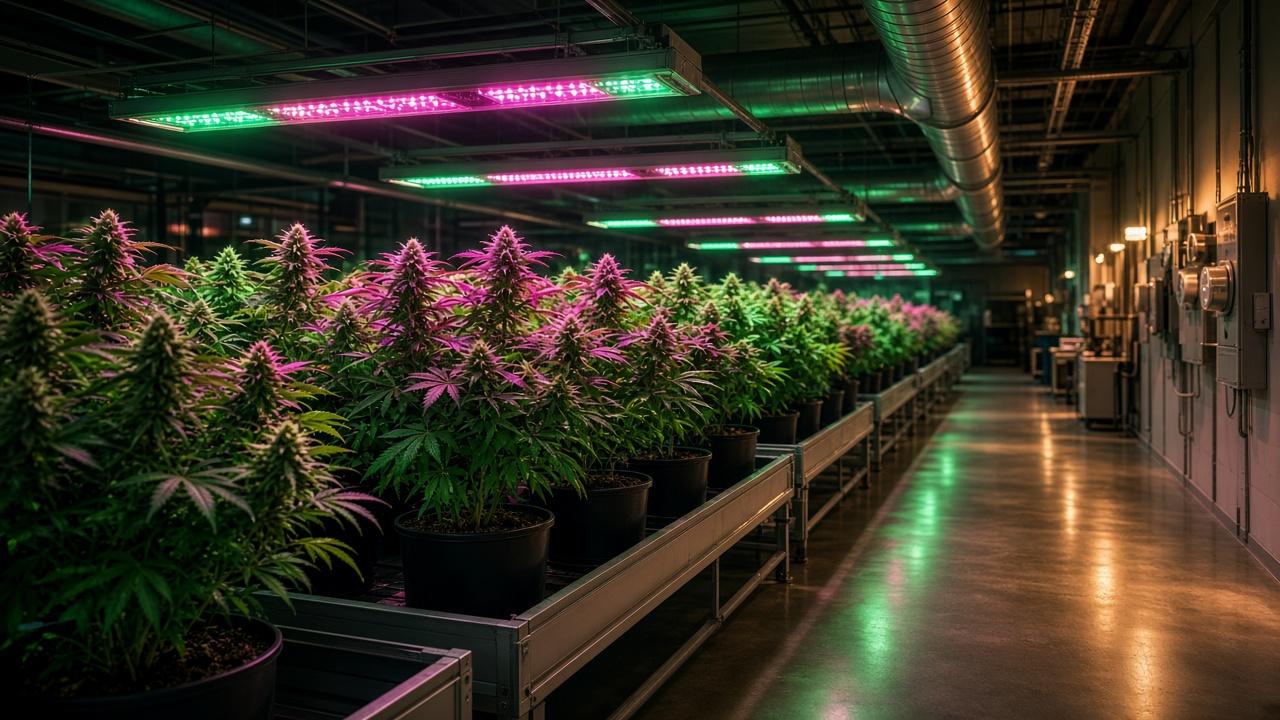
For licensed cannabis operators in deregulated states
Electricity is one of your biggest bills. It is also one of the few you can negotiate.
In 16 states and Washington, D.C., a licensed cultivation, extraction, or retail facility can choose who supplies its power. Jaken Energy shops that market for you, restructures demand charges, and vets efficiency upgrades. You pay nothing to find out where you stand.
What happens after you reach out
Three steps. No jargon. You always know where the process stands.
- 1
Send a recent bill
One or two months of utility bills tell us your rate class, supply charges, and peak demand. That is all we need to start.
- 2
We benchmark your rate
We compare your supply price against current offers in your utility territory and check whether your demand charges are avoidable.
- 3
You get a plain-language answer
If switching or restructuring saves money, we show the math. If it does not, we tell you that too, and you have lost nothing.
Start with your facility type
A grow room, an extraction lab, and a dispensary use power in completely different ways. Pick the guide that matches how you operate.
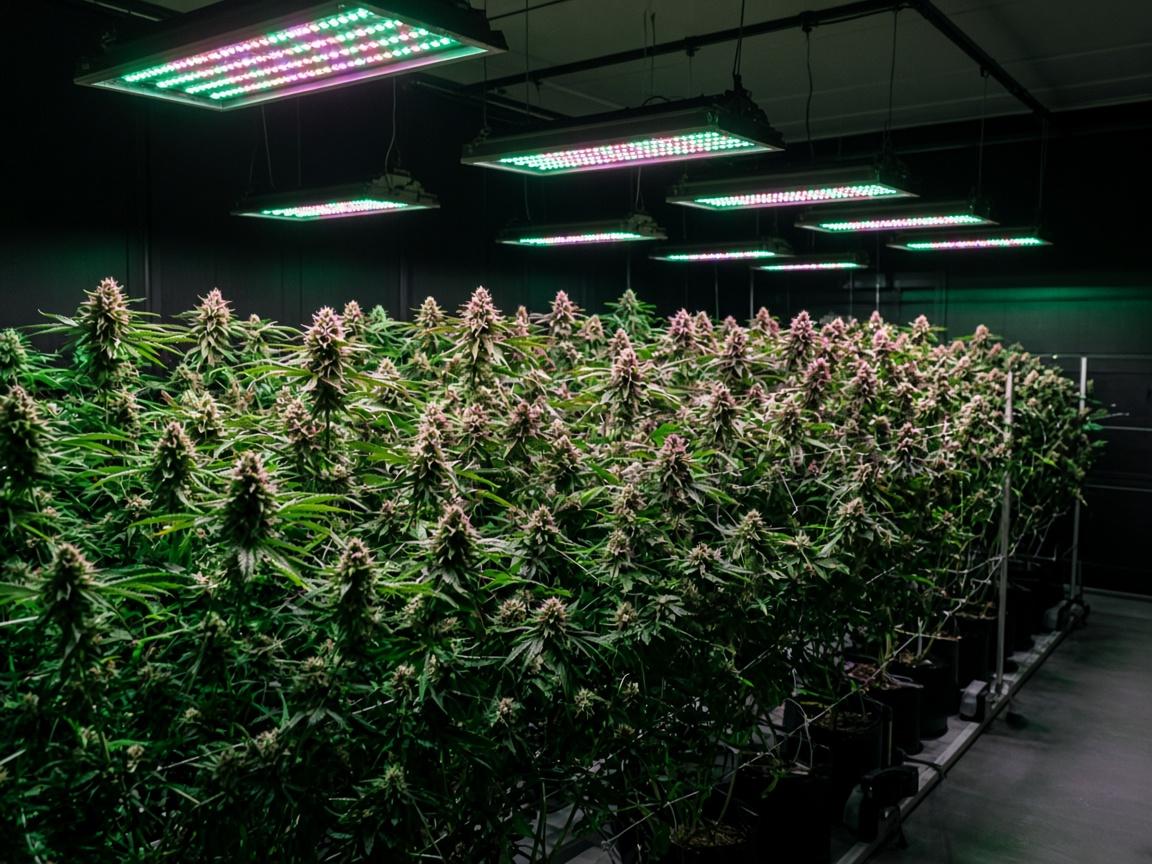 cultivation
Cultivation Facility Energy
Load profiles, rate classes, and procurement paths differ for every cultivation operation. Start with a state-specific guide.
View example guide →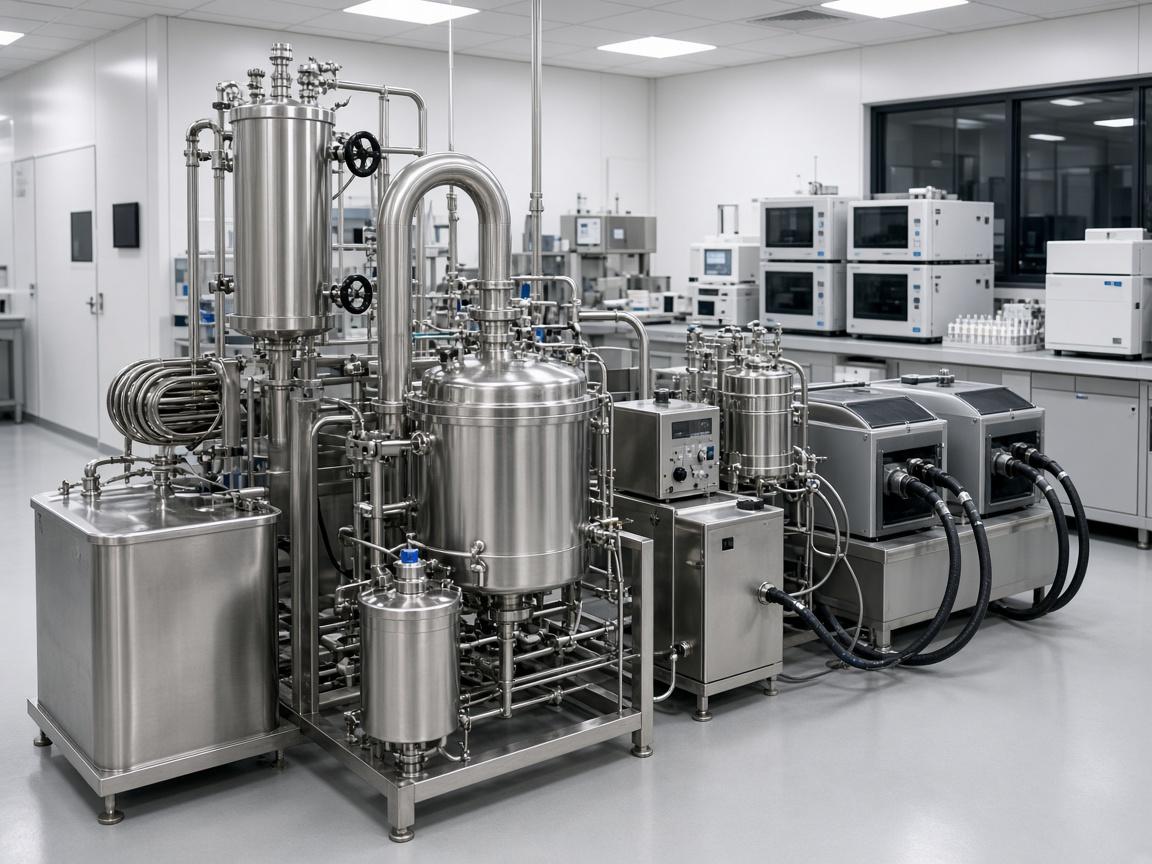 extraction
Extraction & Processing Energy
Load profiles, rate classes, and procurement paths differ for every extraction operation. Start with a state-specific guide.
View example guide → dispensary
Dispensary & Retail Energy
Load profiles, rate classes, and procurement paths differ for every dispensary operation. Start with a state-specific guide.
View example guide → multi-site
Multi-Site Operator Energy
Load profiles, rate classes, and procurement paths differ for every multi-site operation. Start with a state-specific guide.
View example guide →
Where we work: 16 states plus Washington, D.C.
Every jurisdiction below has a licensed cannabis market and lets commercial customers choose their electricity supplier.
Where commercial power costs the most
Average commercial prices by state, from the U.S. Energy Information Administration. High averages are where a competitive supply contract tends to matter most.
| State | Avg. commercial price | Cannabis market | Energy choice |
|---|---|---|---|
| California | 27.33 cents/kWh | Adult-use + medical | Commercial-only choice |
| Massachusetts | 24.52 cents/kWh | Adult-use + medical | Full commercial choice |
| New York | 23.56 cents/kWh | Adult-use + medical | Full commercial choice |
| Washington, D.C. | 23.38 cents/kWh | Medical only | Full commercial choice |
| Rhode Island | 22.70 cents/kWh | Adult-use + medical | Full commercial choice |
| Maine | 22.24 cents/kWh | Adult-use + medical | Full commercial choice |
| New Hampshire | 21.22 cents/kWh | Medical only | Full commercial choice |
| Connecticut | 19.62 cents/kWh | Adult-use + medical | Full commercial choice |
| New Jersey | 18.47 cents/kWh | Adult-use + medical | Full commercial choice |
| Maryland | 16.84 cents/kWh | Adult-use + medical | Full commercial choice |
| Michigan | 16.63 cents/kWh | Adult-use + medical | Capped commercial choice |
| Illinois | 14.53 cents/kWh | Adult-use + medical | Full commercial choice |
| Delaware | 14.40 cents/kWh | Adult-use + medical | Full commercial choice |
| Ohio | 13.77 cents/kWh | Adult-use + medical | Full commercial choice |
| Pennsylvania | 13.33 cents/kWh | Medical only | Full commercial choice |
| Nevada | 9.83 cents/kWh | Adult-use + medical | Commercial-only choice |
| Texas | 8.66 cents/kWh | Low-THC medical only | Full commercial choice |
Why electricity is the bill worth fighting over
Rent is fixed. Labor is what it is. Taxes under Section 280E are brutal and mostly out of your hands. Electricity is different. For an indoor grow it is usually one of the two or three largest operating costs, and in a deregulated state a meaningful share of that bill is negotiable.
Here is the part most operators do not hear from their utility: in the jurisdictions we serve, the utility is legally required to deliver power from any licensed supplier you choose. The wires, the meter, and the outage crew do not change. Only the price of the energy itself changes, and that price is set by competition rather than by a tariff.
Average commercial prices in these states run from under 9 cents per kilowatt-hour in Texas to more than 27 cents in California, with the national average at 14.19 cents in June 2026 [eia-epm-5-6-a]. A cultivation facility that burns a million kilowatt-hours a year is exposed to every fraction of a cent.
What we look at when you send a bill
A single month's bill tells us more than most people expect:
- Your rate class. Utilities assign commercial customers to delivery classes by peak demand. Facilities that were placed in a class during buildout and never reviewed are common, and the wrong class can cost thousands a year.
- Your supply price. If you are on the utility's default service, we compare it to current competitive offers for your load shape. If you already have a supplier, we check the contract's price, term, pass-throughs, and renewal clause.
- Your demand charges. For a grow, the highest 15- or 30-minute demand of the month often drives more cost than the energy itself. We look at whether that peak is avoidable with scheduling, controls, or storage.
- Efficiency and incentives. Most of our states fund LED horticultural lighting, HVAC, and controls through utility programs. We flag the ones your facility qualifies for.
Then we tell you what we found in plain language. If there is no savings to be had, we say so.
Who this is for
- Cultivators, indoor and greenhouse, from craft grows to tier-one canopies.
- Extraction and processing labs, where chillers and solvent recovery set the load.
- Dispensaries and retail chains, which are small individually but often sit on the wrong rate class.
- Multi-site and multi-state operators, who need one procurement strategy across several utilities and grid regions.
Pick your state from the service area above to see how choice works there, what the local utilities charge, and what the switching process looks like.
How electricity choice works in deregulated states
In a restructured state, your bill splits into two jobs. The utility still owns the wires, reads the meter, and restores outages. A licensed competitive supplier sells you the energy commodity. You choose the supplier; the utility has no say in that choice as long as the supplier is certified by your public utility commission.
That split matters because most operators talk only to the utility. The utility's customer service team can explain delivery charges and rate classes, but they cannot shop supply for you or compare third-party contracts. When you are on default service, the utility buys power on your behalf at auction or through a procurement process set by the regulator. When you switch, you take over that procurement decision.
Nothing physical changes at your facility. The same transformers, the same interval meter, the same outage phone number. Enrollment happens on a meter-read date. Your cultivation schedule does not pause.
If you want the mechanics spelled out, read what is energy deregulation. For how supply and delivery lines appear on paper, see understanding your commercial utility bill.
What you will find on this site
We built CannabisEnergyBroker.com as a reference library first and a service second. Every page is written for a facility owner who wants to understand the bill before signing anything.
Learn pages explain one concept at a time: demand charges, fixed vs. index contracts, LED vs. HPS economics, 280E and energy cost control, and two dozen other topics tied to real tariff language.
State guides cover the seventeen jurisdictions where we work. Each state hub links to commercial rate data, facility-type load notes, utility territory pages, and a switching guide where choice is open. Start with Illinois, Pennsylvania, Massachusetts, or Ohio if you are not sure where to click first.
Tools let you run numbers without waiting for a callback. The state deregulation eligibility checker confirms whether your state and facility type are in scope. The cannabis facility energy cost calculator turns connected load and hours into a monthly bill estimate. The demand charge estimator isolates the kW line item. The supplier contract comparison worksheet lines up offers side by side.
Case studies walk through representative scenarios built from published tariffs: an Illinois craft grower demand restructure, a Massachusetts supply switch, a Michigan LED retrofit with rebate. They are labeled illustrative unless we name a real client.
When a bill review is worth your time
Send a bill if any of these sound familiar:
- You are on the utility's default supply rate and have never compared competitive offers.
- Your supplier contract is within six months of renewal and you are not sure what the auto-renew clause says.
- Demand charges grew faster than kWh over the last year.
- You expanded canopy or added extraction equipment but nobody revisited rate class.
- You operate in more than one utility territory and procurement is ad hoc by site.
A review is lower priority if you signed a fixed contract in the last few months after a competitive bid, or if your state does not allow commercial supply choice. The state commercial rate comparison table shows where your state sits on price and whether choice is on the table.
Common mistakes we see on cannabis bills
Staying on default service forever. Default is safe, but it is rarely the lowest price for a high-load commercial account. Regulators publish a benchmark rate so you can compare; suppliers compete against it.
Ignoring rate class. A facility classed as small general service when it belongs on large power pays more per kWh and may miss demand-management options. Utility rate classes explained walks the graduation thresholds.
Treating demand as fixed. The highest 15-minute interval sets a monthly kW charge. Staggering light schedules, sequencing HVAC, or shifting non-critical loads can cut that peak without reducing yield. Read peak demand vs. peak usage before you assume the spike is unavoidable.
Signing a headline rate without reading pass-through language. Capacity, transmission, and renewable portfolio compliance can move outside a "fixed" energy price in PJM and ISO-NE territories. Contract terms to watch lists the clauses that bite at renewal.
Chasing LEDs before fixing the rate. A retrofit that saves 30 percent on kWh still overpays if supply is 3 cents above market. Run procurement and operations in parallel, not sequence.
Numbers that frame the opportunity
Commercial prices vary widely by state. Texas averaged under 9 cents per kilowatt-hour for commercial customers in June 2026; California averaged more than 27 cents; the U.S. commercial average was 14.19 cents [eia-epm-5-6-a]. A facility using 200,000 kWh per month at the national average spends roughly $28,380 on energy charges alone before demand, riders, and taxes.
Demand can dominate. Industry surveys find demand represents 30 to 70 percent of some commercial bills depending on tariff design. For cultivation, lighting drives both kWh and kW. When every flower room hits photoperiod together, compressors and dehumidifiers stack on the same interval.
That is why we look at interval data when you have it. A bill shows the peak number; interval data shows which minute set it and whether a schedule change fixes it. See interval data and AMI meters for what to download from your utility portal.
Efficiency and incentives still matter
Supply shopping is one lever. Utility efficiency programs fund horticultural LED fixtures, HVAC upgrades, and controls in most of our states. Rebates change by territory and year; confirm eligibility before you budget capex. The LED retrofit ROI calculator models payback with a cooling savings factor, and the FAQ on LED retrofit and rebate questions covers common program rules.
On-site solar rarely covers a full indoor load, but it can offset daytime process equipment or a greenhouse fan line. The solar payback estimator screens projects with realistic self-use assumptions. Federal tax credits are not automatic for plant-touching entities; confirm with your tax advisor before you count them.
How to start
Use the free energy review form on get started. Upload one or two months of bills if you have them. Read how it works for the five-step process from bill to contract. If you prefer to research first, pick your state hub, run the tools, and come back when you have questions the pages did not answer.
Licensed operators in deregulated states have more procurement options today than five years ago. The guides here exist so you can use those options with clear numbers, not sales pressure.
Frequently asked questions
What does an energy broker actually do for a cannabis facility?
A broker collects your bills and interval data, puts your load out to bid with licensed competitive suppliers in your utility territory, compares the offers against the utility's default rate, and negotiates the contract terms. The utility keeps delivering the power and keeps the wires; only the supply portion of the bill changes.
Does it cost anything to have my bill reviewed?
No. The review is free. If you sign a supply contract through us, the supplier pays a small per-kilowatt-hour fee that is disclosed in the contract. We explain exactly how that works on our page about how energy brokers get paid.
Which states does CannabisEnergyBroker work in?
Illinois, Ohio, Michigan, Pennsylvania, New Jersey, New York, Maryland, Delaware, Washington D.C., Massachusetts, Connecticut, Rhode Island, Maine, New Hampshire, California, Nevada, and Texas. Each has a licensed cannabis market and lets commercial customers choose their electricity supplier.
Will switching suppliers interrupt power to my grow?
No. Switching only changes who sells you the energy on paper. Your utility still delivers it over the same wires and still responds to outages. The change takes effect on a meter-read date and nothing physical happens at your facility.
Jason Taken founded Jaken Energy, the commercial energy procurement practice behind this site. He works with licensed cannabis operators in deregulated electricity markets to lower supply rates, manage demand charges, and evaluate efficiency upgrades.
Sources
Inline citations in this article, such as [eia-epm-5-6-a], refer to the entries below. Links open the primary source in a new tab.
- [eia-epm-5-6-a]Electric Power Monthly, Table 5.6.A: Average Price of Electricity to Ultimate Customers by End-Use Sector, by State, June 2026 and June 2025 — U.S. Energy Information Administration. Accessed 2026-09-11.
Learn the concepts
- Utility Rate Classes Explained: Small Commercial, Large Commercial, C&I
- Understanding Your Commercial Utility Bill (Line-Item Breakdown)
- Submetering for Multi-Tenant Cannabis Cultivation Buildings
- Renewable Energy Certificates (RECs) for Cannabis Brands
- Power Factor Penalties and Cannabis Facility Equipment Loads
- Peak Demand vs. Peak Usage: Why They're Billed Differently
See the math
- Illustrative Case: PPL Grower-Processor Moves Off Hourly Default Before Flower Expansion
- Illustrative Case: Philadelphia-Area Dispensary Leaves PECO Default for a Fixed EGS Rate
- Illustrative Case: Ohio MSO Aggregates Load Across AEP and FirstEnergy for Supply